
Skip to content
jCode

Agentic development: method and guarantees

I work with Claude Code, Codex and LLMs every day: agents draft, I design, review and test. In an expert's hands, AI brings the best of both: 10 years of expertise, plus the speed and productivity of agents.

Jean-Baptiste TheryFounder of jCode

After 10 years in the trade, I believe that today, refusing AI would be unprofessional, like a scribe turning away from Gutenberg's press. Using it without rules would be just as unprofessional. I use it every day, responsibly, within each client's rules.

001
Productivity

What agents take on

Agents take the repetitive work; I keep the decisions and spend the time saved on quality.

  • Faster exploration

    Agents map a codebase and what a change touches before I write a line, on a new project or on an application I take over.

  • First drafts

    Features, migrations and documentation start from an agent's draft that I correct and complete.

  • More tests

    Agents write the tests a tight schedule usually skips, and I check what each one actually asserts.

  • A second review

    An agent reviews every change before my own review, to catch what a tired eye misses.

  • Architecture first

    The time saved goes into architecture, security and edge cases, where experience counts most.

  • New or existing code

    The same method serves to design an application from scratch, take one over, evolve it, fix it and maintain it.

002
Responsible use

Code confidentiality

I use coding assistants only with enterprise privacy settings, or with the models your company already runs.

  • Claude Code

    Under Anthropic's commercial terms or through your own cloud (Bedrock, Google Cloud, Azure), code and prompts do not train models; zero data retention can be enabled for eligible Enterprise organisations.

  • Codex

    On ChatGPT Business, Enterprise or the API, OpenAI does not use inputs or outputs to train its models by default.

  • Cursor

    With Privacy Mode, Cursor holds zero data retention agreements with its model providers.

  • Your own models

    Your company's accounts, an open-source agent such as OpenCode with the LLMs you choose, or a self-hosted model: I work with what you already run.

Tool terms change: I check them for each engagement, and your contract prevails. Terms checked in October 2026.

003
Right tool

AI is not always the answer

I start from the need, not from the tool, whether for your product or for your company's own processes. Three answers, from the simplest to the most capable.

  1. A simple automation

    When the rules are clear: a webhook, a scheduled job or an n8n workflow, or custom code when the volume or the logic calls for it. Cheaper, faster and easier to audit than a model.

  2. An LLM feature

    When rules fall short, on free text for instance. Prompting first, then RAG on your documents; fine-tuning only if both fall short, always evaluated on real examples.

  3. An agent

    When a task takes several steps and some judgement: tools with narrow permissions, guardrails and a human approval before anything irreversible.

See the agents and automation service

The right answer often mixes them: an automation that calls a model at one step, or an agent that leaves everything predictable to plain code.

004
Method

Six-step method

Six steps, the same on every project, so speed never costs quality.

  1. Context

    The repository's AGENTS.md, the ticket and a Ragmir search give the agent the rules and the relevant code.

  2. Plan

    The agent proposes a plan or a spec that I approve, split into tasks small enough to review in one sitting.

  3. Agent draft

    The agent drafts the change and its tests within the limits I set; where it fits, a failing test comes first.

  4. Checks

    Type checks, tests, linting and, for an interface, a check in a real browser.

  5. My review

    I read every line, ask an agent for a second review and fix what is wrong.

  6. Release

    Continuous integration runs, and nothing is merged or deployed without my approval.

005
Proof

Proven on my own products

Client work stays confidential. My own products show the method in the open.

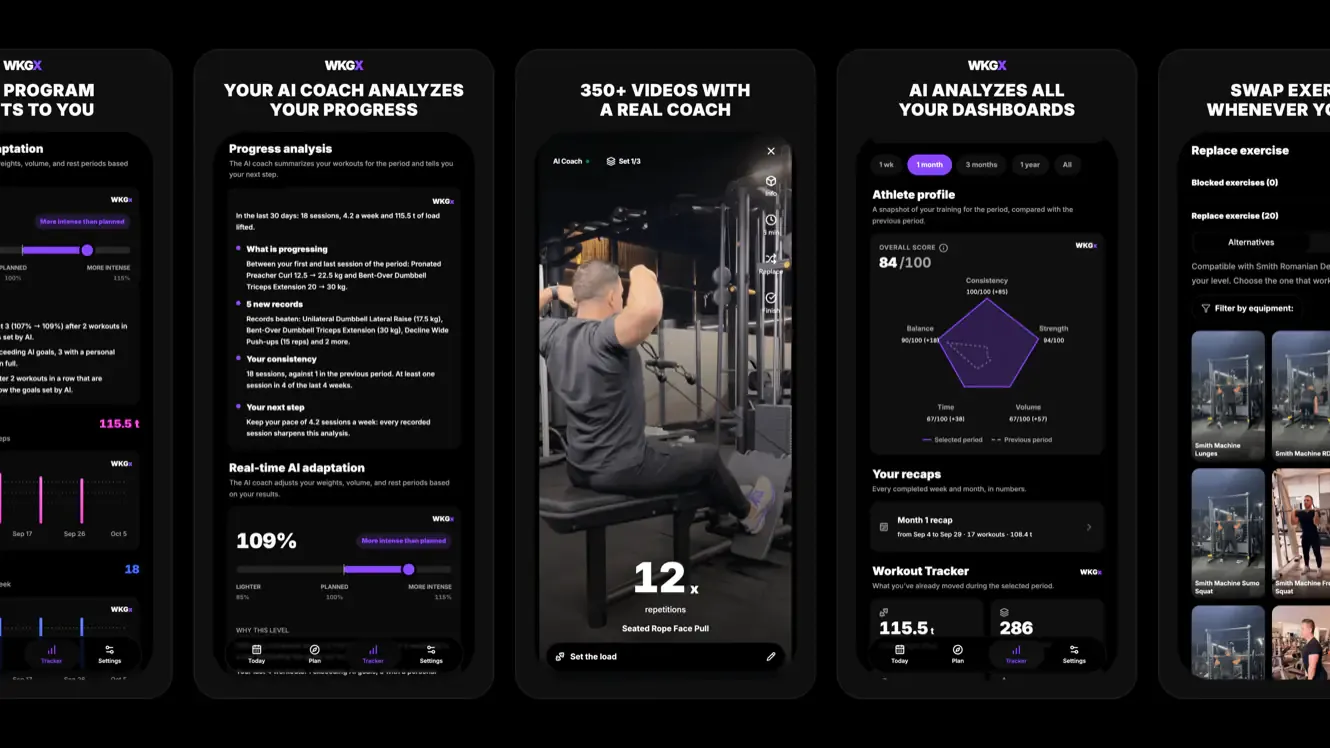
WorkoutGen App Store screenshots side by side on black: real-time AI adaptation, the AI coach's progress analysis, a workout video with the coach, the athlete profile dashboard and exercise alternatives

WorkoutGen

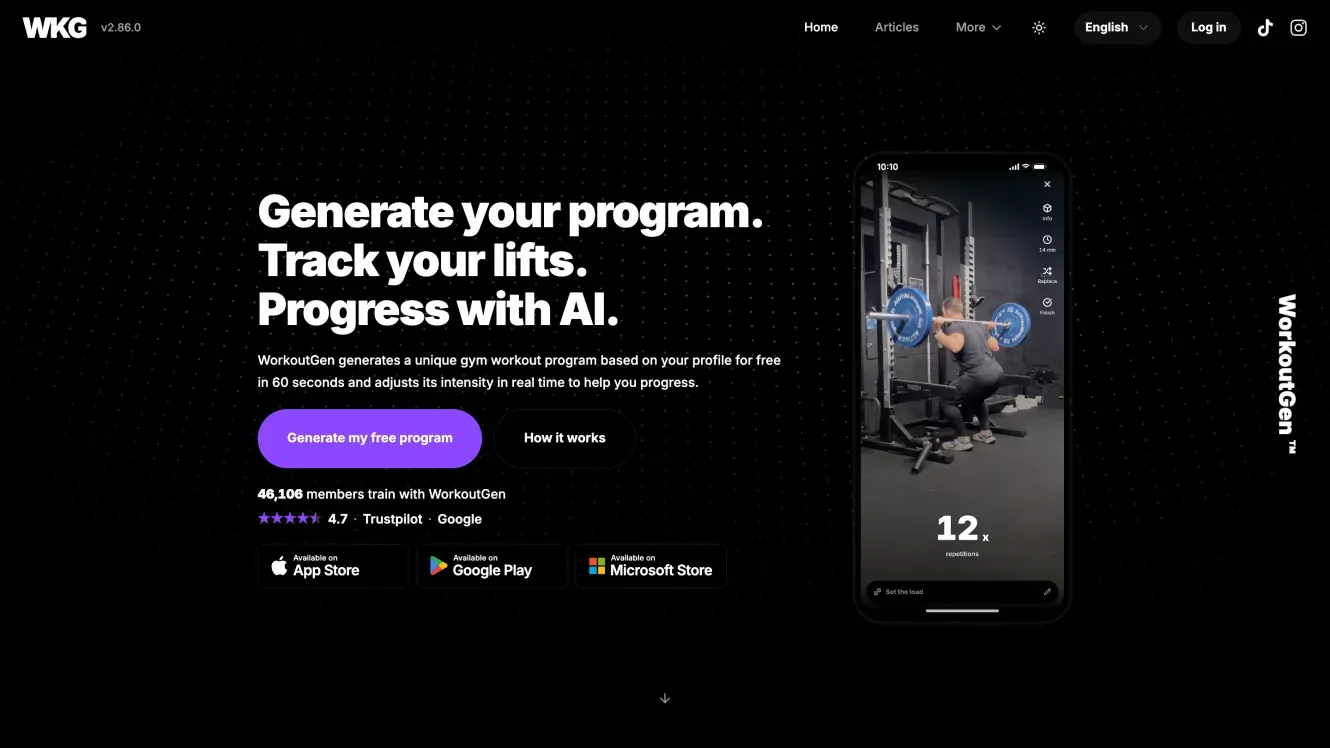
A personalised workout generator with an adaptive AI coach, built as its sole technical owner from June 2025 to September 2026, with coding agents under the rules on this page.

  • 547 automated test files (October 2026)
  • AGENTS.md instructions
  • Ragmir knowledge base via MCP
  • 51,000+ members (October 2026)
Explore WorkoutGen
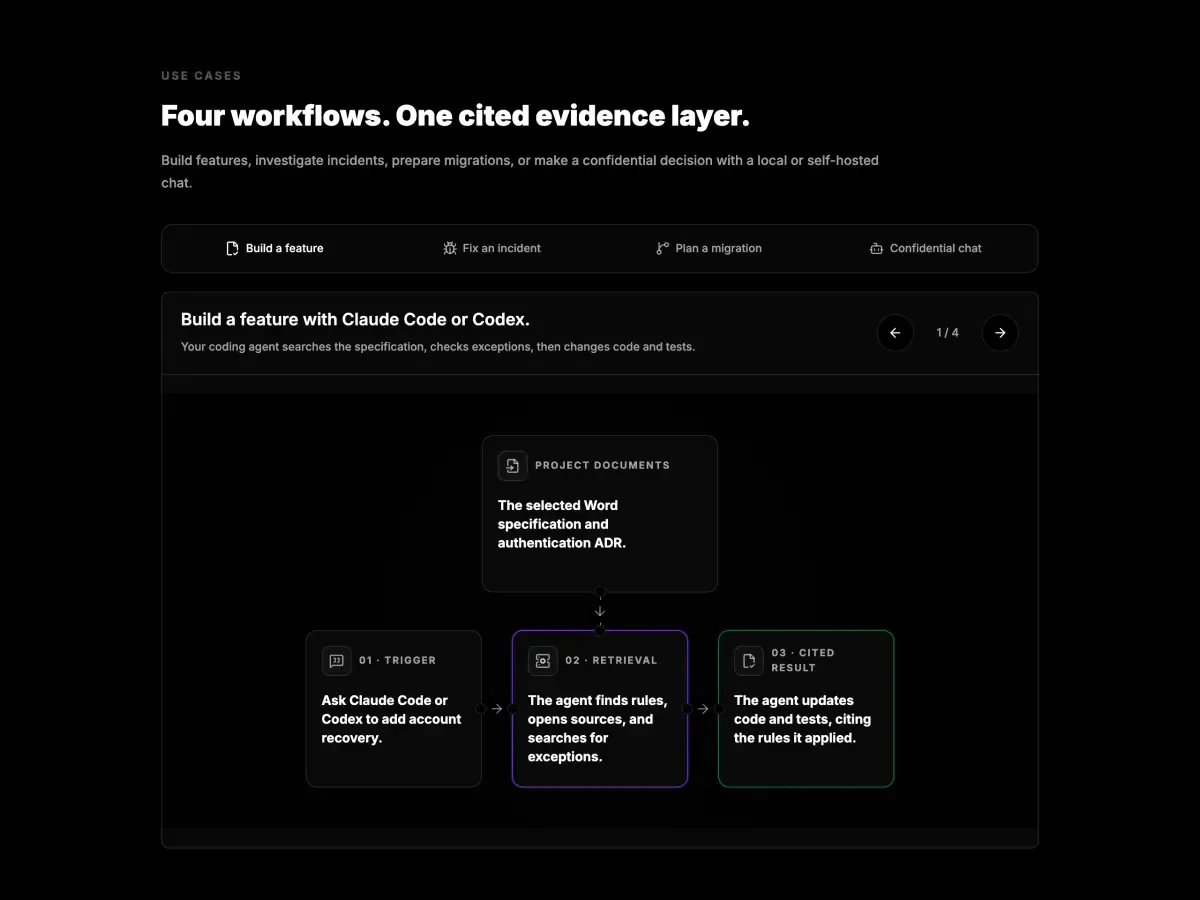
Use cases section of ragmir.com: four workflows, and a diagram where Claude Code or Codex searches the project documents with Ragmir before changing code and tests

Ragmir

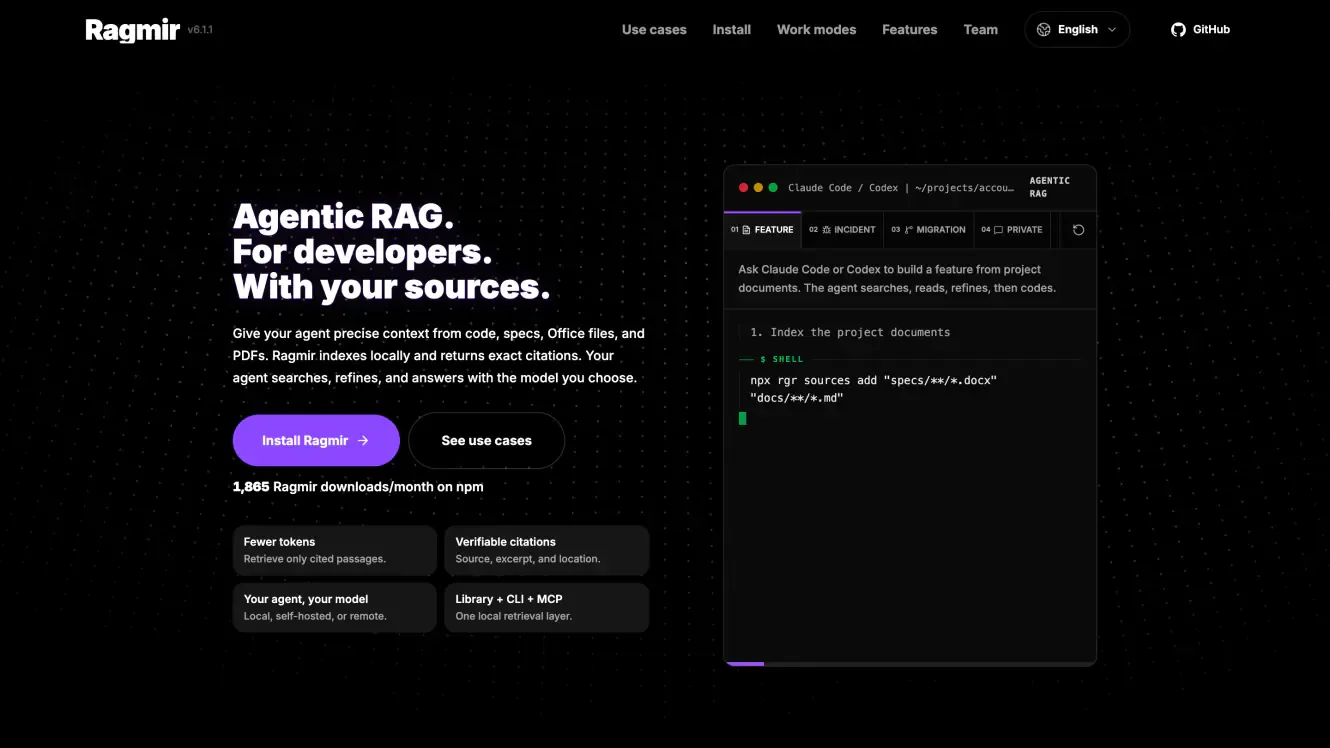
Open-source agentic RAG I created in 2026: coding agents search code and documents and cite their sources. It runs in my own setup every day.

  • Open source, AGPL-3.0
  • CLI, TypeScript API and MCP server
  • Local indexing
  • Published on npm
Explore Ragmir
006
Setup

My agent setup

The same harness on every project, maintained like a product.

  • Harness

    Claude Code first, Codex on the same instructions, GitHub Copilot in VS Code, and one AGENTS.md file per repository.

  • Custom skills

    My own versioned skills in the open Agent Skills format, shared by Claude Code and Codex: browser proof, code review, SEO audits, upgrades and delivery.

  • MCP servers

    Ragmir for cited context, a code graph for impact analysis, current library documentation and a private gateway where every write waits for my approval.

  • Workflows

    Subagents in parallel and scripted workflows that always end with a verification pass.

  • Context and memory

    Hooks that keep the agent's context focused, and a memory that carries decisions from one session to the next.

  • Agentic project management

    Tasks with dependencies in Linear, Notion or GitHub Projects, human checkpoints, and no task closed without proof.

007
Skills

Agentic development skills

Agentic engineering, not vibe coding. These are the skills I practise, and what to expect from anyone who uses LLMs on your code.

  1. Context engineering

    The right files, constraints and examples, and nothing more.

  2. Orchestration

    Plans, subagents and workflows: a task split across agents, and every result checked.

  3. Tools and MCP

    Tools with narrow inputs, clear errors and the least privilege they need.

  4. RAG and embeddings

    Chunking, embeddings and BM25 search, as built into Ragmir.

  5. Evaluations

    Reference cases that measure a prompt, a model or a search before and after each change.

  6. Verification

    Tests, type checks, CI and browser evidence: what an agent claims is checked, not trusted.

  7. Security

    Against prompt injection, content read is data, never instructions, and anything sent outside waits for human approval. Secrets stay out of prompts.

  8. Judgement

    The right model and reasoning effort for each task, an eye on token cost, and an agent's solution rejected when it is wrong.

008
Guarantees

My commitments

What you can hold me to on every engagement.

Your rules

  • Only the assistants, accounts and data your company allows
  • Confidential work never appears in my public work
  • Your contract prevails over this page

Under my control

  • Architecture, dependencies and access rules
  • Every change reviewed, tested and explained, no CI check weakened
  • No commit, push, merge, deployment or deletion without my approval
  • Agents never sign in to your services

Your code and data

  • Business or API accounts that do not train on client code
  • Ragmir indexes locally; external services apply their own terms
  • Rights to the delivered code assigned to you, agent-drafted code included
010
Contact

Let's talk about your project.

Tell me what you want to build or improve, your budget and your target date.

  • Fully remote
  • English or French
  • France · UK · US
011
FAQ

Questions about generative AI

What is an agentic developer?

A developer who has coding agents such as Claude Code or Codex write and run part of the code, while keeping the design, the review and the responsibility for what ships. It is engineering with agents, not vibe coding.

Will you use AI tools on our code if our policy forbids them?

No. Your company's rules come first: on your code, I use only the assistants, accounts and data it allows.

Is our code used to train AI models?

No. I work on client code through business or API accounts that do not use it for training. A passage sent to an external LLM still leaves your infrastructure and falls under that provider's terms.

Who owns code written with the help of AI tools?

You do, as for the rest of the code. The contract provides for the assignment of rights to the code I deliver, including code drafted by an agent.

Can an agent push, deploy or sign in to our services?

Not without me. Agents do not commit, push, merge, deploy or delete anything without my explicit approval, and they never sign in to your services: I type every password and one-time code myself.

Does AI make the project faster?

Usually, never at the expense of review. Studies disagree on the size of the gain, and AI mostly amplifies existing practice, so tests, CI and review come first. I quote the work itself, as a fixed price or at a day rate, rather than promise a percentage.

Should we fine-tune a model on our data?

Rarely as a first step. A well-built prompt, then a search across your documents (RAG), covers most needs; fine-tuning pays off when evaluations show that both fall short, and it needs clean example data.