
Freelance design system and Web Components development
I build component libraries that several teams share, fully remote. I was the main developer of Sciences Po's design system, in StencilJS Web Components for React and Angular.
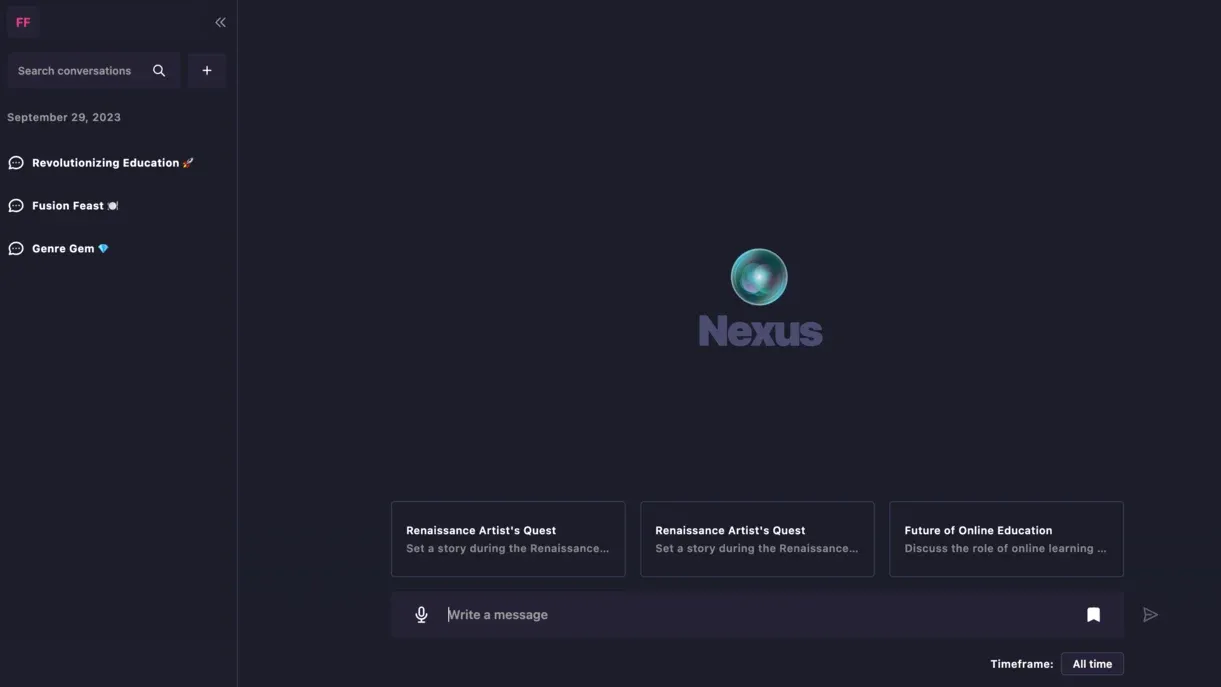








Design systems and component libraries
A design system for a public institution, components for a retail group's design system and a startup's component set, all documented in Storybook.
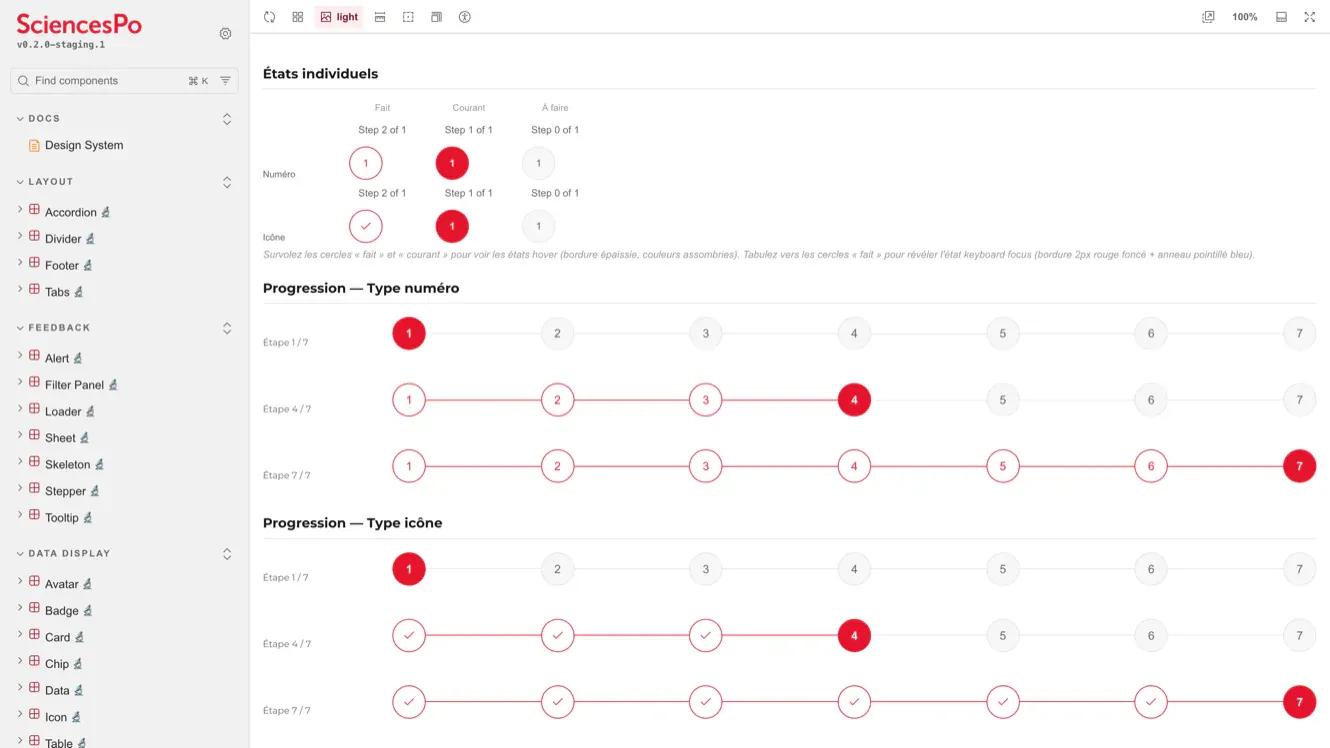
Institutional design system for React and Angular
One Web Component library for the school's React and Angular apps, rendered on the server and built to RGAA 4.1 and WCAG 2.1 AA requirements
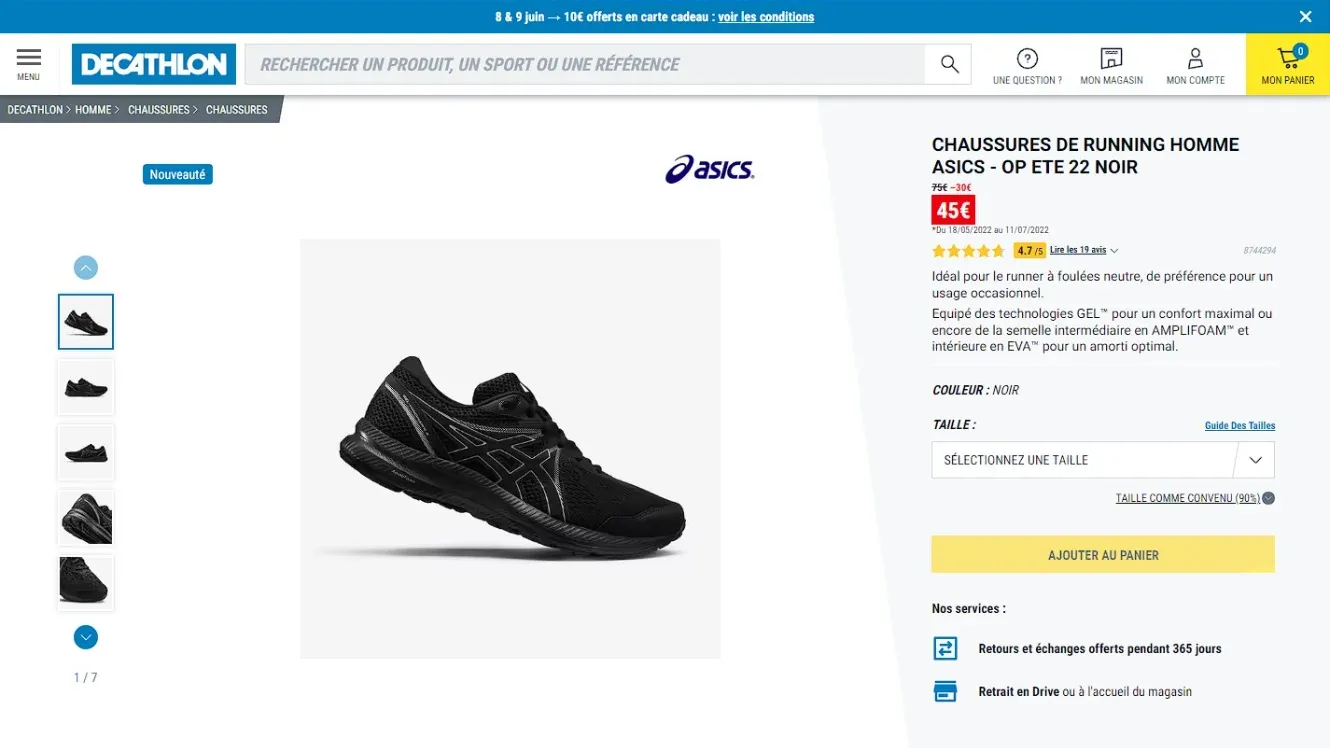
Components for the Vitamin design system
New Svelte components for the design system shared by the group's e-commerce applications, documented and tested so its teams could adopt them
One component library, several framework teams
A design system earns its cost when teams on different frameworks use the same components. Web Components make that possible, rendered on the server as well as in the browser, with design tokens kept in step between Figma and the code.
The contract matters as much as the code: what each component accepts and renders, how Storybook documents it and how a change reaches dependent applications. Accessibility belongs in that contract, because a gap in a shared component repeats in every product built on it.
I adapt the packaging to your teams: Stencil, Lit or plain Web Components, or a headless library such as Radix UI when every team uses React.
Fundamentals
- Custom elements
- Shadow DOM
- Slots
- CSS custom properties
- ARIA patterns
Possible deliverables
- Component library in Web Components, usable from React and Angular
- Storybook documentation and usage examples per component
- Design token pipeline kept in step between Figma and the code
- Components built to your accessibility requirements, such as RGAA 4.1 or WCAG 2.1 AA
- Server-side rendering and React and Angular wrappers
- Engagement
- Team support, project or application takeover
- Schedule
- Agreed for the engagement
- Indicative rate
- €550 excl. VAT / day (October 2026)
- Collaboration
- Fully remote
- Start date
- To be agreed
Four years of shared components
I agree each component's contract with the designers, then build it to the project's accessibility requirements, document it and test it before it reaches the applications that depend on it.
Through jCode, I work with public institutions, established companies and startups. My own products, WorkoutGen and Ragmir, taught me what follows a release.

- of web development
- 10 years
- missions completed on Malt (November 2026)
- 80+
- as a freelancer
- 7 years
- from 47 client ratings on Malt (November 2026)
- 5.0/5
Other areas of expertise
What clients and colleagues say
“On top of being very up-to-date with all techs and stacks front, he is a very creative software engineer who will use his curiosity to try and offer the best solution possible for the problem, without sticking to his guns.” LinkedIn
“Jean-Baptiste nous a aidé dans le développement frontend de notre outil Sweez. C'est un développeur talentueux et hautement compétent. Son expertise technique et sa capacité à résoudre les problèmes de manière créative font de lui un atout précieux pour toute équipe de développement. Il est fiable, consciencieux et démontre une grande attention aux détails dans son travail. Il communique bien et est force de proposition. La qualité de son code et sa capacité d'adaptation sont remarquables.” Malt
“Nous avons collaboré sur le projet Suzuki France avec Jean-Baptiste, et ce fut une très bonne expérience. Toujours pertinent dans ses réflexions et à l'écoute, il sait mener les projets avec sérieux et rigueur. Il m'a aussi été d'une grande aide lors de la réalisation grâce à ses connaissances du projet mais aussi ses compétences techniques avancées. Je recommande chaudement JB, et lui souhaite une pleine réussite en tant que freelance.”LinkedInLet's talk about your project.
Tell me what you want to build or improve, your budget and your target date.
- Fully remote
- English or French
- France · UK · US
Frequently asked questions
Why Web Components rather than one library per framework?
To avoid maintaining the same component twice. At Sciences Po, one implementation serves both React and Angular, which is what made a single design system viable across the school's applications.
Can you build components to RGAA and WCAG requirements?
Yes. Sciences Po's design system was built to RGAA 4.1 and WCAG 2.1 AA requirements, including a critical sign-in form that works without JavaScript. The Sciences Po design system case study describes the work.
How are design tokens kept in step with Figma?
Through a synchronisation step between the design file and the code, so a token the designers change reaches the components without being retyped by hand.
Does this guarantee accessibility compliance?
No. Building components to RGAA and WCAG requirements reduces problems at the source, but a compliance statement covers a whole product and requires an audit by a specialised auditor, which I do not carry out.